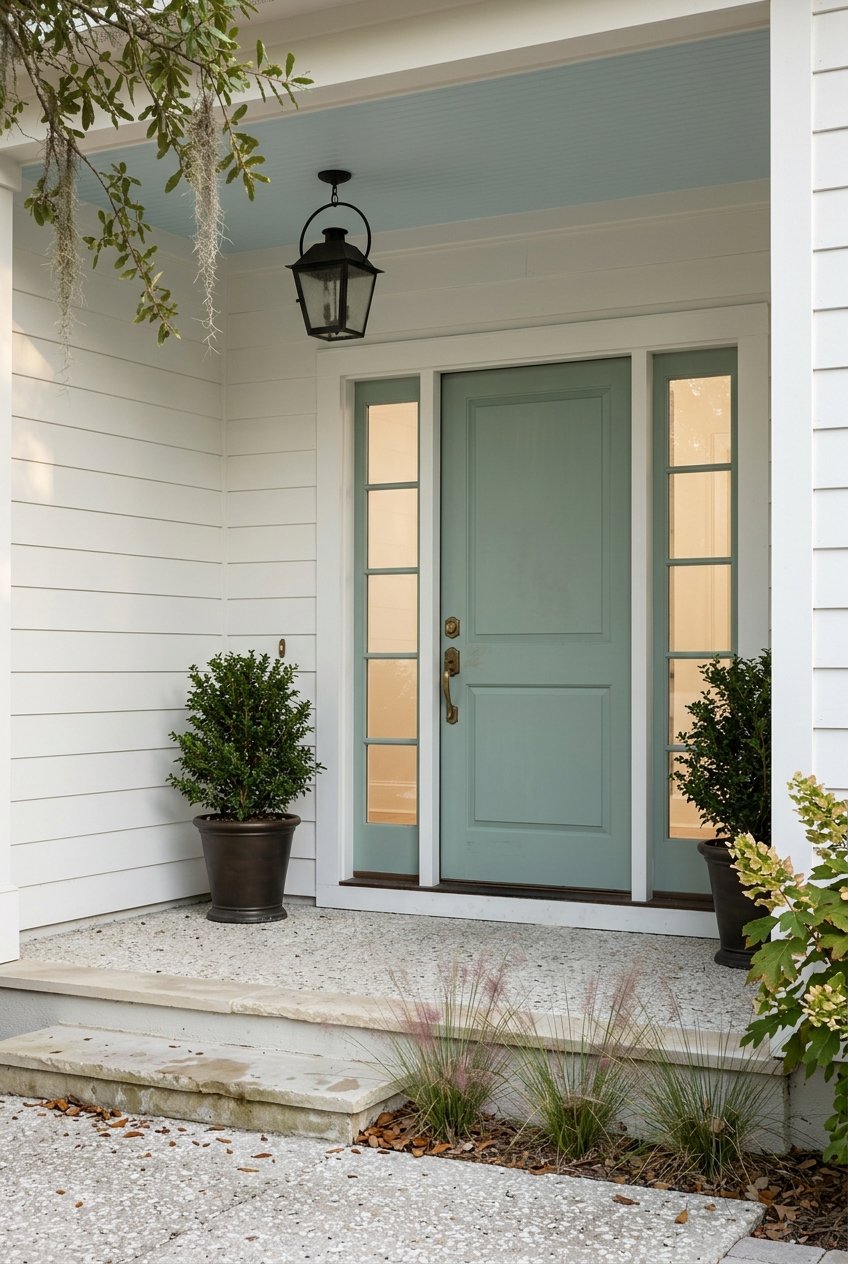
Wondering why some Litchfield Plantation homes feel instantly compelling to buyers while others struggle to stand out? In a place like Pawleys Island, buyers are not just comparing bedrooms and baths. They are weighing setting, character, presentation, and how confidently the home answers coastal questions. If you want to position your home well in today’s market, a thoughtful plan can help you attract stronger interest and support your asking price. Let’s dive in.
Why Litchfield Plantation Needs Its Own Strategy
Litchfield Plantation is not a one-size-fits-all community. Local guides describe it as a private community with oak-lined streets and access tied to a distinctive Lowcountry setting, and the broader Pawleys Island area is known for marsh views, river access, beach living, and a laid-back coastal feel.
That matters because buyers here are often buying a sense of place as much as a house. They want to picture how the home fits into the landscape, how it lives day to day, and whether it feels authentic to the setting.
Litchfield Plantation also carries documented historic significance. The South Carolina Department of Archives and History identifies the plantation house, rice fields on the Waccamaw River, and other landscape resources as part of the Pee Dee River Rice Planters Historic District, with a period of significance beginning around 1791.
For you as a seller, that means your home should be positioned with care. The goal is to highlight character, setting, and architectural details without making the property feel over-styled or forced.
Start With Precise Pricing
Pricing is one of the first signals you send to the market. In ZIP code 29585, the Coastal Carolinas Association of REALTORS® reported 114 homes for sale and a year-to-date list-price received figure of 95.8% as of April 10, 2026.
That data suggests buyers are paying close attention to value. It also comes with an important note from the report: percentage shifts can look dramatic when the sample size is small.
That is why broad averages are not enough for a Litchfield Plantation home. Your asking price should reflect the most recent and most relevant comparables, especially within the community or among homes with a similar lot setting, updates, condition, and view orientation.
What buyers compare closely
Buyers are unlikely to give every home the same premium just because it is in a coastal community. In Litchfield Plantation, they tend to notice details that shape both lifestyle and upkeep.
Consider how your home compares in these areas:
- Location within the community
- Lot privacy and tree canopy
- Marsh, water, or landscape views
- Renovation level and finish quality
- Floor plan flow and natural light
- Porch, outdoor living, and storage utility
- Overall condition and maintenance history
A well-priced home creates momentum early. An aspirational price with no supporting evidence can narrow your buyer pool and make the home feel stale faster than you may expect.
Present the Home for Today’s Buyer
Presentation is not about making your home look trendy. It is about helping buyers understand what makes it special and making that value easy to see.
According to the 2025 Profile of Home Staging from NAR, 83% of buyers’ agents said staging made it easier for buyers to visualize a property as a future home. The same report noted that living rooms, primary bedrooms, and kitchens were among the most important rooms to stage.
For a Litchfield Plantation property, staging should support the home’s style rather than compete with it. That means editing distractions, improving flow, and giving buyers a clean visual path to the home’s best features.
If your home has historic character
Historic or character-rich homes benefit from restraint. You want buyers to notice architecture first.
Focus attention on features like:
- Porch lines and entry sequence
- Window placement and natural light
- Fireplaces and built-ins
- Ceiling height and trim detail
- The connection between indoor rooms and outdoor spaces
Heavy decor, oversized furniture, or too many personal items can hide what buyers came to see. In a distinctive home, simplicity often feels more elevated.
If your home feels newer or more updated
Newer or more recently renovated homes still need warmth and definition. Buyers want clean spaces, but they also want to understand how the rooms function.
That usually means:
- Simplifying furniture layouts
- Opening major sightlines
- Clearing countertops and crowded surfaces
- Organizing closets and storage areas
- Giving outdoor spaces a clear purpose
A tailored look tends to perform better than a generic one. Buyers should feel polish, not emptiness.
Make the Online First Impression Count
Most buyers will meet your home online before they ever set foot inside. That first impression carries real weight.
NAR guidance for sellers emphasizes that high-resolution photos and video tours are essential, and that cameras magnify clutter and poor furniture arrangement. It also notes that buyers who like what they see online expect the in-person version to match.
In Litchfield Plantation, your digital presentation should lead with the visuals buyers care about most. Depending on the property, that may be live oaks, porches, marsh views, broad lawns, light-filled interiors, or the relationship between the home and its surroundings.
Features worth spotlighting
Before the photo shoot, ask whether the strongest parts of your property are obvious in both still photos and video. If not, adjust.
Priority features often include:
- Front approach and curb presence
- Large porches and outdoor seating areas
- Marsh or river-facing views
- Mature trees and landscape framing
- Bright kitchens and living areas
- Primary suite comfort and privacy
- Garage, storage, or practical owner features
Open blinds, reduce countertop items, and remove anything that competes with the architecture or views. Coastal buyers often respond strongly to calm, airy, uncluttered spaces.
Prepare for Coastal Questions Early
A beautiful listing can lose momentum if buyers feel uncertain about flood, insurance, or storm-related details. In coastal markets, confidence comes from preparation.
Georgetown County states that an elevation certificate is required by its flood ordinance to properly rate certain buildings and to obtain a permit for certain properties in a Special Flood Hazard Area. Flood-zone information can also affect insurance requirements and financing expectations.
That means one of the smartest things you can do before listing is gather your documentation early. When buyers can review key property details upfront, they are less likely to turn normal due diligence into a major concern.
Documents to have ready
A stronger listing package often includes:
- Elevation certificate, if applicable
- Current flood-zone information
- Insurance history or current coverage details
- Records of storm-related repairs or upgrades
- Roof age and major system ages
- Community rules or property owner association details
- Clear notes on access tied to community amenities
When these answers are ready, your home feels easier to buy. That can reduce hesitation and keep negotiations focused on the property’s value rather than unknowns.
Timing Matters on the Hammock Coast
In coastal South Carolina, timing is not only about buyer demand. It is also about readiness.
NOAA states that Atlantic hurricane season officially runs from June 1 through November 30. The Town of Pawleys Island notes that wind-driven surge generated by tropical storms and hurricanes is the main source of flooding there.
For sellers, that makes early preparation especially important. If your home is photo-ready, inspection-ready, and document-ready before storm season intensifies, you may avoid delays and last-minute stress.
A practical pre-listing timeline
If you are thinking about selling, this sequence can help:
- Review recent comparables in Litchfield Plantation and nearby competing properties.
- Make a short list of repairs, maintenance items, and cosmetic edits.
- Gather flood, insurance, and storm-repair documents.
- Stage key rooms and define outdoor living spaces.
- Schedule professional photography and video once the home is fully ready.
- Launch with a pricing and presentation strategy that matches the property’s position in the market.
This kind of preparation helps your home enter the market with clarity and confidence.
The Best Sales Story Is Place, Presentation, and Proof
The strongest Litchfield Plantation listings usually do three things well. They show why the setting matters, they present the home in a clean and compelling way, and they back it up with solid pricing and coastal documentation.
That combination is especially important in a community where buyers may be balancing preserved character, lifestyle appeal, and practical ownership questions all at once. When your home feels both aspirational and well-explained, it is easier for buyers to say yes.
If you are thinking about selling in Litchfield Plantation or anywhere along the Hammock Coast, working with a local advisor can help you shape the right story from the start. To plan your next move with calm, market-savvy guidance, connect with Calee Garcia.
FAQs
How should you price a Litchfield Plantation home in Pawleys Island?
- Start with recent community-level comparables and adjust for lot setting, views, updates, condition, and location within the neighborhood rather than relying on broad area averages.
What matters most when staging a Litchfield Plantation home for sale?
- Focus on helping buyers see the home’s architecture, flow, light, and outdoor connection, with special attention to the living room, primary bedroom, and kitchen.
Why do online photos matter so much for a Pawleys Island listing?
- Many buyers begin their search online, so high-resolution photos and video tours often shape whether they decide to visit in person.
What coastal documents should sellers gather before listing in Georgetown County?
- Have your elevation certificate if applicable, flood-zone information, insurance details, storm-repair records, roof age, and major system information ready before the home goes live.
When is the best time to prepare a home for sale in coastal South Carolina?
- It is wise to prepare early, especially before hurricane season ramps up, so your home is photo-ready and documentation-ready before weather-related delays become more likely.
